
Foot Care Tips for Diabetic Patients

Proper foot care is vital for diabetic patients, as diabetes can lead to nerve damage and poor circulation, which increase the risk of foot complications. Regularly inspecting the feet for cuts, blisters, or redness is essential, as early detection can prevent serious issues. Keeping the feet clean and dry helps reduce the risk of infections. It is important to moisturize the skin, but avoid applying lotion between the toes to prevent excess moisture. Wearing well-fitted shoes is important to prevent friction and blisters, while checking inside shoes for foreign objects daily can help avoid injuries. Maintaining blood sugar levels within a target range contributes to overall foot health. If you have diabetes, it is strongly suggested that you are under the care of a podiatrist and schedule routine visits. This type of doctor can help you to manage this serious condition.

Diabetic foot care is important in preventing foot ailments such as ulcers. If you are suffering from diabetes or have any other concerns about your feet, contact Dr. Michael T. Hames from Florence Foot Center. Our doctor can provide the care you need to keep you pain-free and on your feet.

Diabetic Foot Care

Diabetes affects millions of people every year. The condition can damage blood vessels in many parts of the body, especially the feet. Because of this, taking care of your feet is essential if you have diabetes, and having a podiatrist help monitor your foot health is highly recommended.

The Importance of Caring for Your Feet

  • Routinely inspect your feet for bruises or sores.
  • Wear socks that fit your feet comfortably.
  • Wear comfortable shoes that provide adequate support.

Patients with diabetes should have their doctor monitor their blood levels, as blood sugar levels play such a huge role in diabetic care. Monitoring these levels on a regular basis is highly advised.

It is always best to inform your healthcare professional of any concerns you may have regarding your feet, especially for diabetic patients. Early treatment and routine foot examinations are keys to maintaining proper health, especially because severe complications can arise if proper treatment is not applied.

If you have any questions, please feel free to contact our office located in Florence, Alabama . We offer the newest diagnostic and treatment technologies for all your foot care needs.


Read more about Diabetic Foot Care

Plantar Warts Can Be Treated!

Plantar warts are small growths that develop on parts of the feet that bear weight. They're typically found on the bottom of the foot. Don't live with plantar warts, and call us today!

Options and Recovery for Plantar Fasciitis Surgery

Plantar fasciitis surgery is considered for individuals who have not found relief from conservative treatments after an extended period. Two primary surgical options are open surgery and endoscopic surgery. Open surgery involves a larger incision to release the plantar fascia or remove inflamed tissue, while endoscopic surgery uses smaller incisions and a camera for a minimally invasive approach. Good candidates for surgery typically include those with persistent pain, significant functional limitations, and no improvement despite comprehensive non-surgical treatments. Recovery times can vary based on the type of surgery, as open surgery may require a longer recovery period of several weeks, while endoscopic surgery often allows for a quicker return to normal activities, typically within a few weeks. If you have plantar fasciitis and are considering surgery for relief, it is suggested that you consult a podiatrist who can determine if this is the right decision for you.


Foot surgery is sometimes necessary to treat a foot ailment. To learn more, contact Dr. Michael T. Hames of Florence Foot Center. Our doctor will assist you with all of your foot and ankle needs.

When Is Surgery Necessary?

Foot and ankle surgery is generally reserved for cases in which less invasive, conservative procedures have failed to alleviate the problem. Some of the cases in which surgery may be necessary include:

  • Removing foot deformities like bunions and bone spurs
  • Severe arthritis that has caused bone issues
  • Cosmetic reconstruction

What Types of Surgery Are There?

The type of surgery you receive will depend on the nature of the problem you have. Some of the possible surgeries include:

  • Bunionectomy for painful bunions
  • Surgical fusion for realignment of bones
  • Neuropathy decompression surgery to treat nerve damage

Benefits of Surgery

Although surgery is usually a last resort, it can provide more complete pain relief compared to non-surgical methods and may allow you to finally resume full activity.

Surgical techniques have also become increasingly sophisticated. Techniques like endoscopic surgery allow for smaller incisions and faster recovery times.

If you have any questions, please feel free to contact our office located in Florence, Alabama . We offer the newest diagnostic and treatment technologies for all your foot care needs.
Read more about Foot Surgery

How Psoriatic Arthritis Affects the Feet

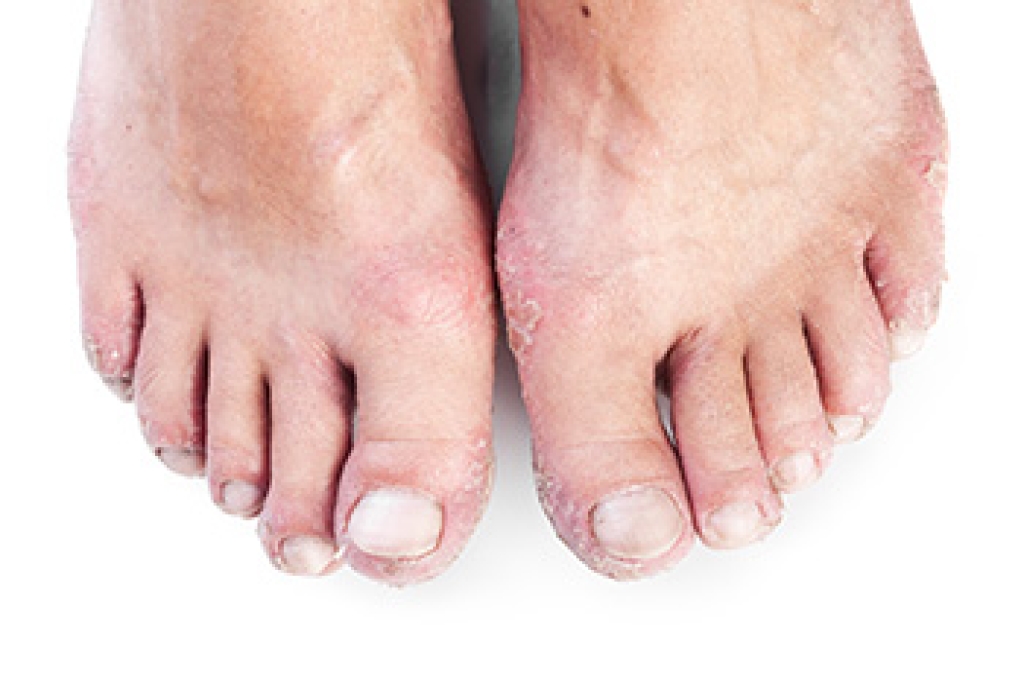
Psoriatic arthritis, or PsA, is a type of inflammatory arthritis that affects some people who have psoriasis. It can cause significant pain and swelling in the feet. When PsA targets the feet, it commonly affects the small joints in the toes. This leads to a condition called dactylitis, or sausage toe, where the entire toe swells up. It can also cause enthesitis, which is inflammation where tendons and ligaments attach to bones, often at the heel or arch. This inflammation can make walking difficult and lead to structural changes in the foot over time. A podiatrist can provide valuable support for treating psoriatic arthritis in the feet by prescribing custom orthotics, and anti-inflammatory therapies, as well as offering guidance on proper footwear to relieve pressure on affected areas. If untreated, PsA in the feet can progress to deformities, making early intervention important. If you have psoriatic arthritis that affects your feet, it is suggested that you schedule an appointment with a podiatrist for an exam and relief options.

When dealing with systemic disease of the feet, it is extremely important to check the affected areas routinely so that any additional problems are caught quickly.  If you have any concerns about your feet and ankles contact Dr. Michael T. Hames from Florence Foot Center. Our doctor will assist you with all of your podiatric needs.

Systemic Diseases of the Feet

Systemic diseases affect the whole body, and symptoms usually are displayed in the feet. This condition can make a patient’s ability to walk unbearable.  Systemic diseases include gout, diabetes mellitus, neurological disorders, and arthritis.

Gout – is caused by an excess of uric acid in the body. Common symptoms include pain, inflammation, and redness at the metatarsal/phalangeal joint of the base big toe. Gout can be treated by NSAIDs to relieve pain and inflammation, and other drugs that lower the acid levels in the body.

Diabetes mellitus – is an increase in the level of blood sugar that the body cannot counteract with its own insulin. Failure to produce enough insulin is a factor in Diabetes.

Diabetes of the Feet

Diabetic Neuropathy – may lead to damaged nerves and affect the feet through numbness and loss of sensation.

Peripheral Vascular Disease – can restrict the blood flow to the feet, and often times lead to amputation of the feet. 

If you have any questions please contact our office located in Florence, Alabama . We offer the newest diagnostic and treatment technologies for all your foot and ankle needs.

Read more about Systemic Diseases of the Foot

An Overview of Gout

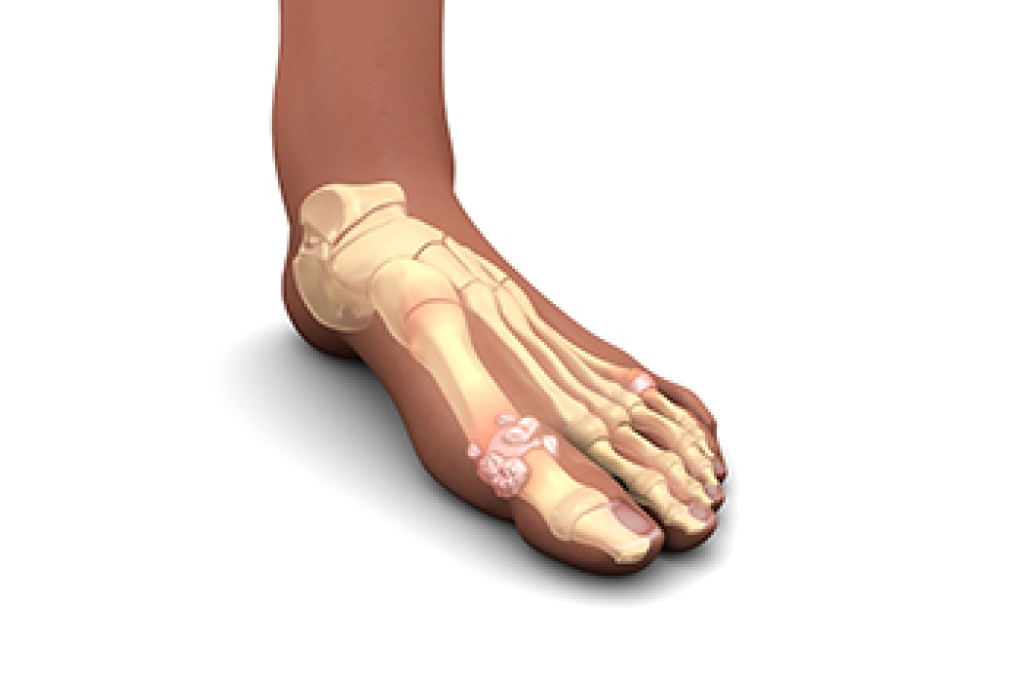
Gout is a form of inflammatory arthritis causing sudden and severe pain, swelling, and redness in the affected joints, most commonly the big toe. This condition occurs when uric acid builds up in the body, leading to the formation of sharp crystals in the joints. Symptoms include intense pain, often occurring at night, and lingering discomfort even after the initial attack. Risk factors for gout include obesity, high blood pressure, and certain dietary choices, such as consuming excessive purine-rich foods like red meat and shellfish. Alcohol consumption can worsen the condition. Genetics also play a role, as a family history of gout increases susceptibility. Gout attacks can be painful and can cause difficulty in completing daily activities. If you have had one or more attacks, it is strongly suggested that you are under the care of a podiatrist who can help you to manage this painful condition.

Gout is a painful condition that can be treated. If you are seeking treatment, contact Dr. Michael T. Hames from Florence Foot Center. Our doctor will treat your foot and ankle needs.

What Is Gout?

Gout is a form of arthritis that is characterized by sudden, severe attacks of pain, redness, and tenderness in the joints. The condition usually affects the joint at the base of the big toe. A gout attack can occur at any random time, such as the middle of the night while you are asleep.

Symptoms

  • Intense Joint Pain - Usually around the large joint of your big toe, and it most severe within the first four to twelve hours
  • Lingering Discomfort - Joint discomfort may last from a few days to a few weeks
  • Inflammation and Redness -Affected joints may become swollen, tender, warm and red
  • Limited Range of Motion - May experience a decrease in joint mobility

Risk Factors

  • Genetics - If family members have gout, you’re more likely to have it
  • Medications - Diuretic medications can raise uric acid levels
  • Gender/Age - Gout is more common in men until the age of 60. It is believed that estrogen protects women until that point
  • Diet - Eating red meat and shellfish increases your risk
  • Alcohol - Having more than two alcoholic drinks per day increases your risk
  • Obesity - Obese people are at a higher risk for gout

Prior to visiting your podiatrist to receive treatment for gout, there are a few things you should do beforehand. If you have gout you should write down your symptoms--including when they started and how often you experience them, important medical information you may have, and any questions you may have. Writing down these three things will help your podiatrist in assessing your specific situation so that he or she may provide the best route of treatment for you.

If you have any questions, please feel free to contact our office located in Florence, Alabama . We offer the newest diagnostic and treatment technologies for all your foot care needs.
Read more about Everything You Need to Know About Gout

Connect With Us