Symptoms and Risk Factors for Athlete’s Foot

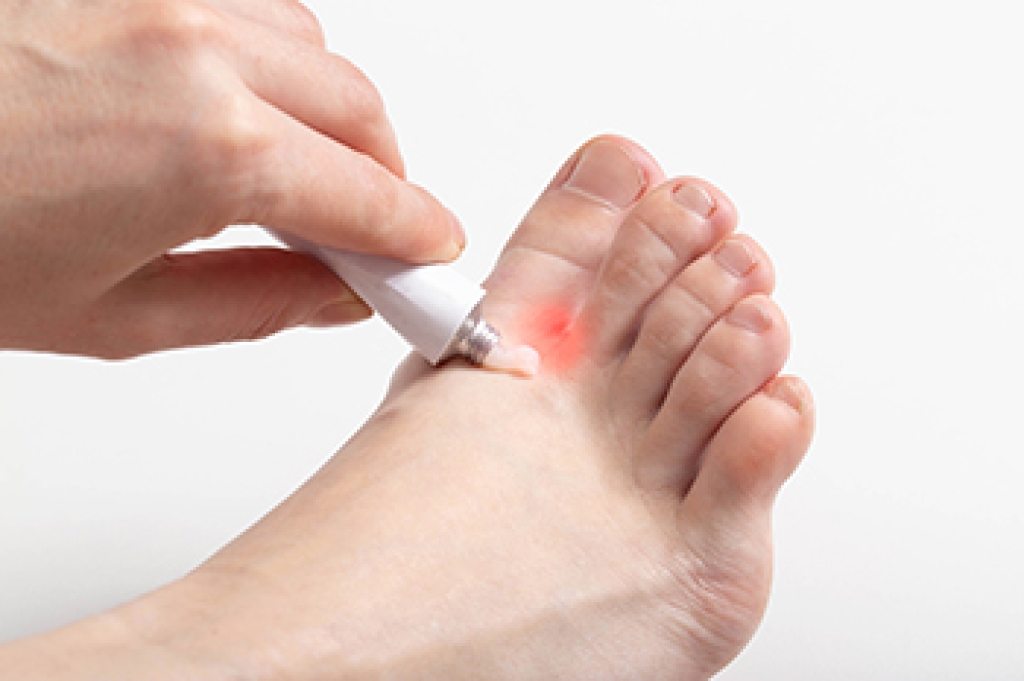
Athlete's foot is a fungal infection that affects the feet, particularly the soles and the spaces between the toes.  Symptoms include scaling, which can vary from mild redness and itching, to severe cracking and painful blisters. As the athlete's foot infection progresses, the skin may become thickened, and, in some cases, it can lead to bacterial infections, especially in older adults or those with poor circulation. The fungus thrives in moist, warm environments, such as communal showers or areas where individuals walk barefoot. Wearing tight shoes can also increase the risk. Diagnosis is typically made through a visual examination, though a skin scraping may be taken for further analysis, if needed. A podiatrist can provide effective treatment with antifungal medications applied to the affected area or taken orally in more severe cases. If you have a stubborn athlete's foot infection, it is suggested that you schedule an appointment with a podiatrist for advanced treatment.

Athlete’s foot is an inconvenient condition that can be easily reduced with the proper treatment. If you have any concerns about your feet and ankles, contact Dr. Michael T. Hames from Florence Foot Center.  Our doctor will treat your foot and ankle needs.

Athlete’s Foot: The Sole Story

Athlete's foot, also known as tinea pedis, can be an extremely contagious foot infection. It is commonly contracted in public changing areas and bathrooms, dormitory style living quarters, around locker rooms and public swimming pools, or anywhere your feet often come into contact with other people.

Solutions to Combat Athlete’s Foot

  • Hydrate your feet by using lotion
  • Exfoliate
  • Buff off nails
  • Use of anti-fungal products
  • Examine your feet and visit your doctor if any suspicious blisters or cuts develop

Athlete’s foot can cause many irritating symptoms such as dry and flaking skin, itching, and redness. Some more severe symptoms can include bleeding and cracked skin, intense itching and burning, and even pain when walking. In the worst cases, Athlete’s foot can cause blistering as well. Speak to your podiatrist for a better understanding of the different causes of Athlete’s foot, as well as help in determining which treatment options are best for you.

If you have any questions please feel free to contact our office located in Florence, Alabama . We offer the newest diagnostic and treatment technologies for all your foot and ankle needs.

Read more about How to Deal with Athlete's Foot

Understanding Foot Stress Fractures and Recovery

A foot stress fracture, also known as a hairline fracture, is a small crack in a bone that develops from repetitive stress or overuse rather than a single traumatic injury. It can occur when the foot twists the wrong way, changes direction quickly, or endures repeated high-impact activities. Recovery can take six weeks to several months, depending on severity and adherence to treatment. A podiatrist can diagnose a stress fracture with imaging, recommend immobilization or protective footwear, and create a personalized plan to promote healing and prevent reinjury. Ignoring symptoms can lead to prolonged pain or complications. If you have foot pain, and think it may be a foot stress fracture, it is suggested that you consult a podiatrist for a diagnosis and appropriate treatment solutions.

Activities where too much pressure is put on the feet can cause stress fractures. To learn more, contact Dr. Michael T. Hames from Florence Foot Center. Our doctor can provide the care you need to keep your pain free and on your feet.

Dealing with Stress Fractures of the Foot and Ankle

Stress fractures occur in the foot and ankle when muscles in these areas weaken from too much or too little use.  The feet and ankles then lose support when walking or running from the impact of the ground. Since there is no protection, the bones receive the full impact of each step. Stress on the feet can cause cracks to form in the bones, thus creating stress fractures.

What Are Stress Fractures?

Stress fractures occur frequently in individuals whose daily activities cause great impact on the feet and ankles. Stress factors are most common among:

  • Runners                                
  • People affected with Osteoporosis
  • Tennis or basketball players
  • Gymnasts
  • High impact workouts

Symptoms

Pain from the fractures occur in the area of the fractures and can be constant or intermittent. It will often cause sharp or dull pain with swelling and tenderness. Engaging in any kind of activity which involves high impact will aggravate pain.

If you have any questions please contact our office located in Florence, Alabama . We offer the newest diagnostic and treatment technologies for all your foot and ankle needs.

Read more about Dealing with Stress Fractures of the Foot and Ankle

Managing Flare-Ups of Foot Arthritis

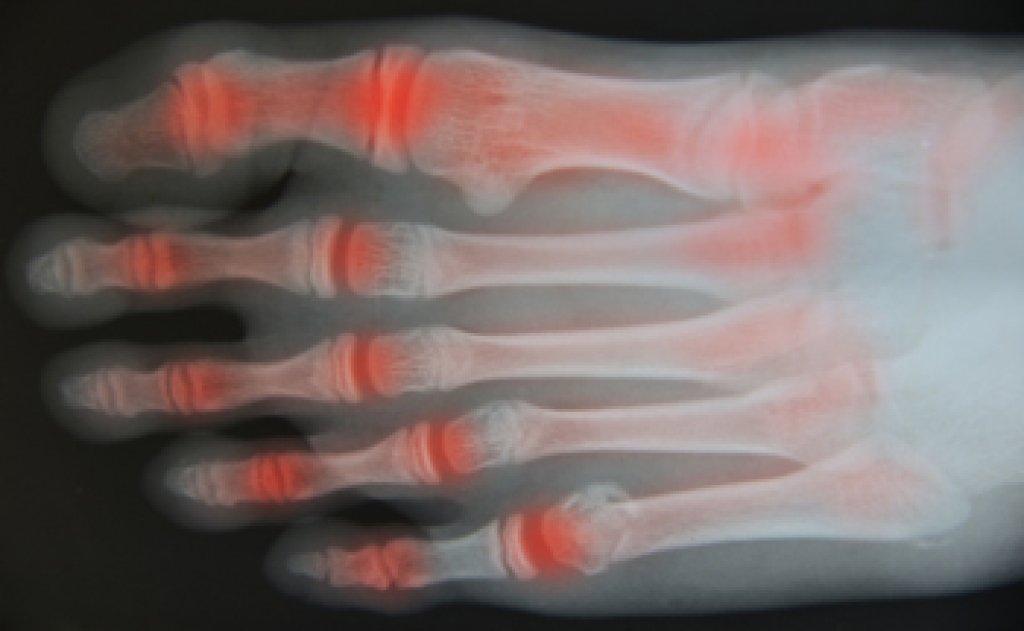
Foot arthritis is a condition where the joints in the foot become inflamed, leading to stiffness, swelling, and pain. It may result from wear and tear, autoimmune diseases, or injury. Flare-ups can be triggered by overexertion, stress, infection, or changes in activity, often causing increased joint pain and reduced mobility. These episodes may disrupt daily life and make walking or standing uncomfortable. A podiatrist can help manage symptoms through customized treatment plans, supportive footwear, orthotics, and lifestyle guidance. If you are experiencing ongoing joint pain in your feet, it is suggested that you consult a podiatrist who can provide effective relief and management techniques.

Arthritis can be a difficult condition to live with. If you are seeking treatment, contact Dr. Michael T. Hames from Florence Foot Center. Our doctor can provide the care you need to keep you pain-free and on your feet.

Arthritic Foot Care  

Arthritis is a joint disorder that involves the inflammation of different joints in your body, such as those in your feet. Arthritis is often caused by a degenerative joint disease and causes mild to severe pain in all affected areas. In addition to this, swelling and stiffness in the affected joints can also be a common symptom of arthritis.

In many cases, wearing ill-fitting shoes can worsen the effects and pain of arthritis. Wearing shoes that have a lower heel and extra room can help your feet feel more comfortable. In cases of rheumatoid arthritis, the arch in your foot may become problematic. Buying shoes with proper arch support that contour to your feet can help immensely.

Alleviating Arthritic Pain

  • Exercises that stretch the foot can prevent further pain and injury and increase mobility
  • Most of the pain can be alleviated with anti-inflammatory drugs, heat, and topical medications
  • Massages can help temporarily alleviate pain.

It is best to see your doctor for the treatment that is right for your needs and symptoms. Conditions vary, and a podiatrist can help you determine the right method of care for your feet.

If you have any questions please feel free to contact our office located in Florence, Alabama . We offer the newest diagnostic tools and technology to treat your foot and ankle needs.

Read more about Arthritic Foot Care

Heel Pain in the Morning?

Heel pain can negatively affect your day-to-day life. Simple activities like walking can become incredibly uncomfortable or painful due to heel pain.

Don’t live with heel pain and get treated.

How Flip Flops Affect Your Feet

While flip-flops are popular for their convenience, wearing them often can lead to several foot problems. Unlike supportive shoes, flip-flops offer little to no arch support, cushioning, or stability. This lack of support can change how you walk, leading to strain in the arches, heels, and even ankles. Over time, this can contribute to conditions like plantar fasciitis or heel pain. Because your toes must grip the sandal to keep it in place, wearing flip-flops regularly can also lead to muscle fatigue and may affect the natural alignment of your feet. Many people develop calluses, cracked heels, or toe pain from constant use. The thin soles do not protect your feet from sharp objects or uneven surfaces either. If you are noticing pain or discomfort from wearing flip-flops, it is suggested you consult a podiatrist to explore healthier footwear choices and treatments.

Flip-flops can cause a lot of problems for your feet. If you have any concerns about your feet or ankles, contact Dr. Michael T. Hames from Florence Foot Center. Our doctor will assist you with all of your foot and ankle needs.

Flip-Flops and Feet

Flip-flops have managed to become a summer essential for a lot of people. While the shoes may be stylish and easy to slip on and off, they can be dangerous to those who wear them too often. These shoes might protect you from fungal infections such as athlete’s foot, but they can also give you foot pain and sprained ankles if you trip while wearing them.

When Are They Okay to Wear?

Flip-flops should only be worn for very short periods of time. They can help protect your feet in places that are crawling with fungi, such as gym locker rooms. Athlete’s foot and plantar warts are two common fungi that flip-flops may help protect your feet against.

Why Are They Bad for My Feet?

These shoes do not offer any arch support, so they are not ideal for everyday use. They also do not provide shock absorption or heel cushioning which can be problematic for your feet. Additionally, you may suffer from glass cuts, puncture wounds, and stubbed toes since they offer little protection for your feet.

More Reasons Why They Are Bad for Your Feet

  • They Slow You Down
  • May Cause Blisters and Calluses
  • Expose Your Feet to Bacteria

If you have any questions, please feel free to contact our office located in Florence, Alabama . We offer the newest diagnostic and treatment technologies for all your foot care needs.

Read more about Flipping Out About Flip Flops

Connect With Us