
Have your child's feet been examined lately? Healthy feet are happy feet. If your child is complaining of foot pain, it may be a sign of underlying problems.
Have your child's feet been examined lately? Healthy feet are happy feet. If your child is complaining of foot pain, it may be a sign of underlying problems.
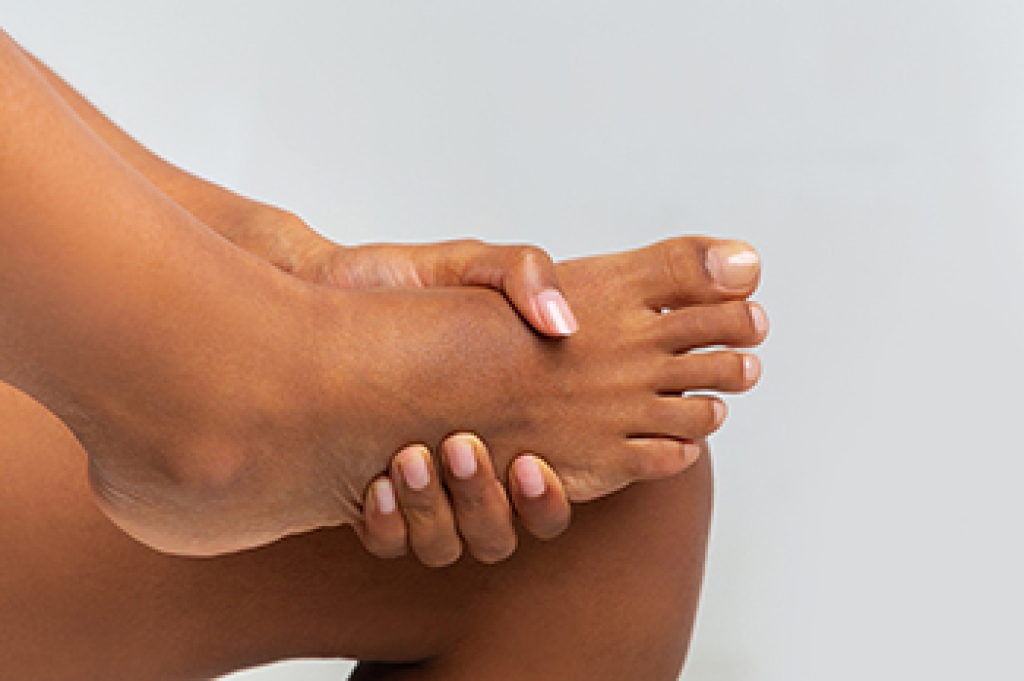
Foot pain is a widespread issue that affects people of all ages and lifestyles. One of the most frequent culprits is improper footwear, which can lead to pressure points, arch strain, and misalignment. Long hours of standing or walking on hard surfaces often result in overuse injuries, such as plantar fasciitis or Achilles tendonitis. High-impact activities like running can cause stress fractures, while sudden movements may lead to sprains or ligament damage. Structural issues, such as flat feet or high arches, can contribute to chronic discomfort by altering weight distribution. Medical conditions like arthritis, diabetes, and nerve disorders may also cause persistent pain, inflammation, or numbness. Ignoring early symptoms can lead to worsening conditions, making daily movement difficult. Addressing foot pain early with proper footwear, rest, and professional care can help prevent long-term damage and keep feet healthy and pain-free. If you are suffering from persistent foot pain, it is suggested that you schedule an appointment with a podiatrist for a proper diagnosis and appropriate treatment.
Foot Pain
Foot pain can be extremely painful and debilitating. If you have a foot pain, consult with Dr. Michael T. Hames from Florence Foot Center. Our doctor will assess your condition and provide you with quality foot and ankle treatment.
Causes
Foot pain is a very broad condition that could be caused by one or more ailments. The most common include:
Diagnosis
To figure out the cause of foot pain, podiatrists utilize several different methods. This can range from simple visual inspections and sensation tests to X-rays and MRI scans. Prior medical history, family medical history, and any recent physical traumatic events will all be taken into consideration for a proper diagnosis.
Treatment
Treatment depends upon the cause of the foot pain. Whether it is resting, staying off the foot, or having surgery; podiatrists have a number of treatment options available for foot pain.
If you have any questions, please feel free to contact our office located in Florence, Alabama . We offer the newest diagnostic and treatment technologies for all your foot care needs.
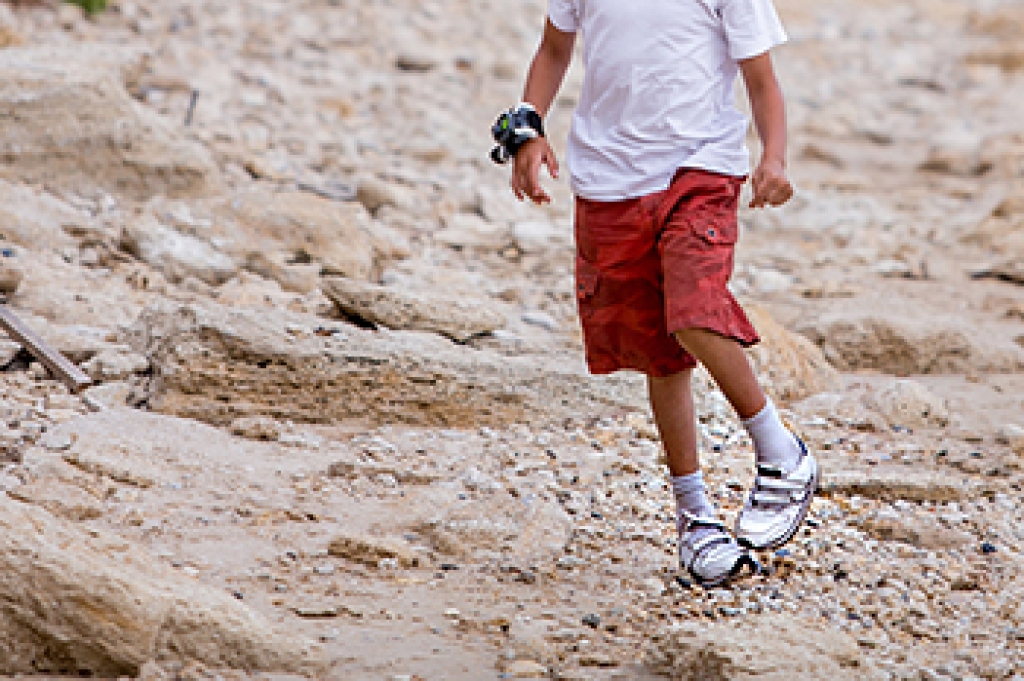
Clubfoot is a congenital foot deformity that occurs when a baby is born with one or both feet twisted in an abnormal position. It can be caused by a combination of genetic and environmental factors, although the exact causes are not always clear. One of the primary characteristics of clubfoot is midfoot cavus, which refers to a high arch in the middle of the foot. Forefoot adductus is another common feature, where the front part of the foot turns inward. The heel or hindfoot varus causes the heel to turn inward, leading to an abnormal walking posture. Hindfoot equinus is also present in many cases, where the foot points downward, limiting normal movement. While clubfoot can vary in severity, early diagnosis and treatment, often involving stretching, casting, or surgery, can correct the condition and allow children to walk without limitations or discomfort later in life. If your child has been born with clubfoot, it is strongly suggested that you include a podiatrist on your healthcare team who can provide exceptional care for this condition.
Congenital foot problems require immediate attention to avoid future complications. If you have any concerns, contact Dr. Michael T. Hames of Florence Foot Center. Our doctor can provide the care you need to keep you pain-free and on your feet.
Congenital foot problems are deformities affecting the feet, toes, and/or ankles that children are born with. Some of these conditions have a genetic cause while others just happen. Some specific foot ailments that children may be born with include clubfeet, polydactyly/macrodactyly, and cleft foot. There are several other foot anomalies that can occur congenitally. What all of these conditions have in common is that a child may experience difficulty walking or performing everyday activities, as well as trouble finding footwear that fits their foot deformity. Some of these conditions are more serious than others. Consulting with a podiatrist as early as possible will help in properly diagnosing a child’s foot condition while getting the necessary treatment underway.
What are Causes of Congenital Foot Problem?
A congenital foot problem is one that happens to a child at birth. These conditions can be caused by a genetic predisposition, developmental or positional abnormalities during gestation, or with no known cause.
What are Symptoms of Congenital Foot Problems?
Symptoms vary by the congenital condition. Symptoms may consist of the following:
Treatment and Prevention
While there is nothing one can do to prevent congenital foot problems, raising awareness and receiving neonatal screenings are important. Early detection by taking your child to a podiatrist leads to the best outcome possible.
If you have any questions, please feel free to contact our office located in Florence, Alabama . We offer the newest diagnostic and treatment technologies for all your foot care needs.
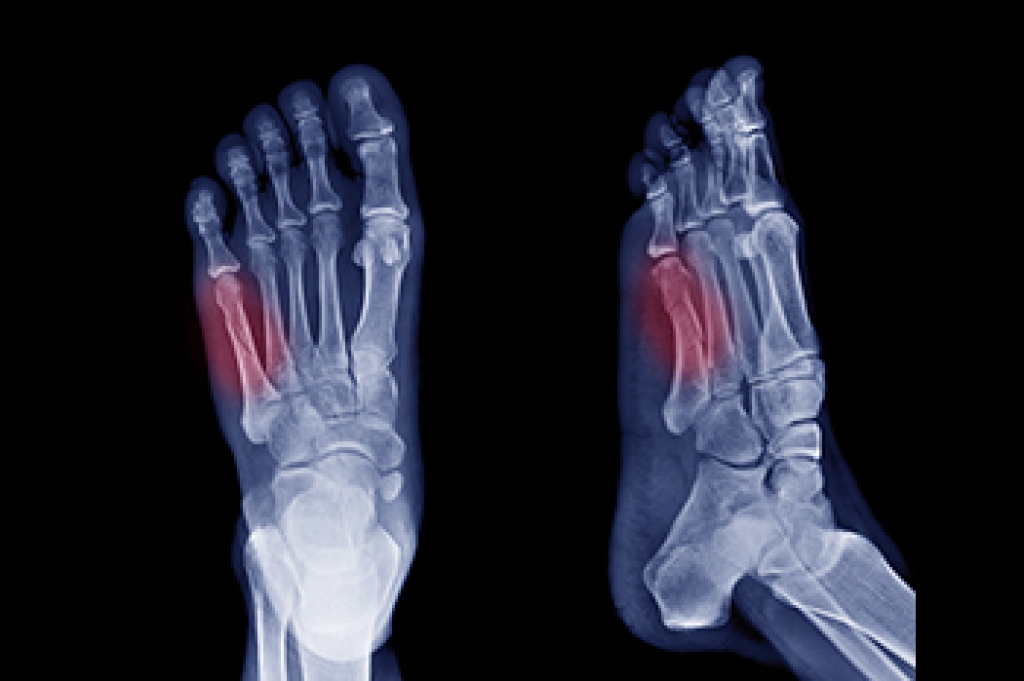
A dancer's fracture is a break in the shaft of the 5th metatarsal, the long bone on the outer side of the foot. This injury is typically caused by twisting motions, awkward landings, or direct trauma. It is common among dancers and athletes but can happen to anyone. Symptoms of a 5th metatarsal fracture include sharp pain on the outer side of the foot, swelling, bruising, tenderness, and difficulty walking. Diagnosis is made through a physical examination and imaging, such as X-rays, to determine the exact location and severity of the fracture. Treatment often involves immobilizing the foot with a cast or walking boot to allow the bone to heal properly. In severe cases, surgery may be required to realign and stabilize the bone. A podiatrist can provide expert care and ongoing monitoring to ensure the foot heals correctly and regains full functionality. If you have fractured your foot, it is suggested that you schedule an appointment with a podiatrist for a diagnosis and treatment options.
A broken foot requires immediate medical attention and treatment. If you need your feet checked, contact Dr. Michael T. Hames from Florence Foot Center. Our doctor can provide the care you need to keep you pain-free and on your feet.
Broken Foot Causes, Symptoms, and Treatment
A broken foot is caused by one of the bones in the foot typically breaking when bended, crushed, or stretched beyond its natural capabilities. Usually the location of the fracture indicates how the break occurred, whether it was through an object, fall, or any other type of injury.
Common Symptoms of Broken Feet:
Those that suspect they have a broken foot shoot seek urgent medical attention where a medical professional could diagnose the severity.
Treatment for broken bones varies depending on the cause, severity and location. Some will require the use of splints, casts or crutches while others could even involve surgery to repair the broken bones. Personal care includes the use of ice and keeping the foot stabilized and elevated.
If you have any questions, please feel free to contact our office located in Florence, Alabama . We offer the newest diagnostic and treatment technologies for all your foot care needs.
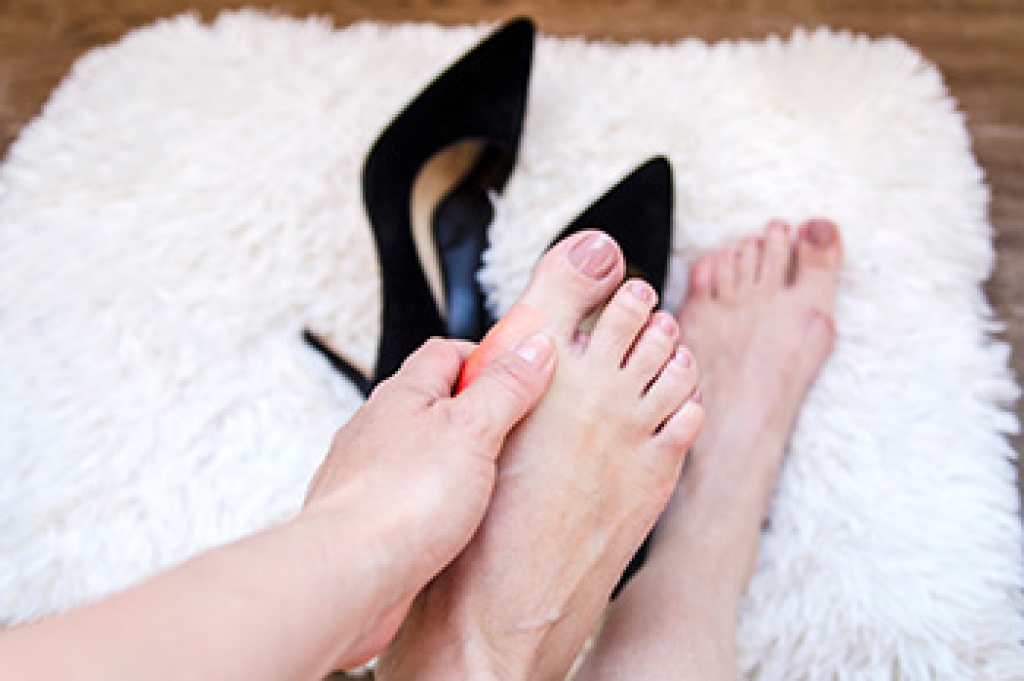
Choosing the right shoes is essential for people with bunions, as these bony protrusions on the side of the big toe joint can lead to chronic discomfort and mobility issues. Shoes that provide relief should have a wide, roomy toe box to reduce pressure on the bunion and surrounding toes. Soft, flexible materials like leather or mesh can help prevent irritation. Heels no higher than two inches and cushioned soles offer added support and stability. Extra-depth shoes may be beneficial for accommodating bunions and any associated issues such as corns or calluses. Adjustable features, like laces or straps, allow for a better fit as feet change over time. Orthotic inserts can be added to relieve pressure, support the arch, and improve alignment. A podiatrist can guide patients in selecting the most appropriate footwear or, if needed, recommend custom-made shoe inserts to address severe deformities. If you have problematic or painful bunions, it is suggested that you schedule an appointment with a podiatrist for a diagnosis and treatment options, which may include shoe selection.
It is important to find shoes that fit you properly in order to avoid a variety of different foot problems. For more information about treatment, contact Dr. Michael T. Hames from Florence Foot Center. Our doctor will treat your foot and ankle needs.
Proper Shoe Fitting
Shoes have many different functions. They cushion our body weight, protect our feet, and allow us to safely play sports. You should always make sure that the shoes you wear fit you properly in order to avoid injuries and deformities such as: bunions, corns, calluses, hammertoes, plantar fasciitis, stress fractures, and more. It is important to note that although a certain pair of shoes might be a great fit for someone else, that doesn’t mean they will be a great fit for you. This is why you should always try on shoes before buying them to make sure they are worth the investment. Typically, shoes need to be replaced ever six months to one year of regular use.
Tips for Proper Shoe Fitting
The shoes you buy should always feel as good as they look. Shoes that fit properly will last longer, feel better, and improve your way of life each day.
If you have any questions please contact our office located in Florence, Alabama . We offer the newest diagnostic and treatment technologies for all your foot and ankle needs.

Your feet are covered most of the day. If you're diabetic, periodic screening is important for good health. Numbness is often a sign of diabetic foot and can mask a sore or wound.
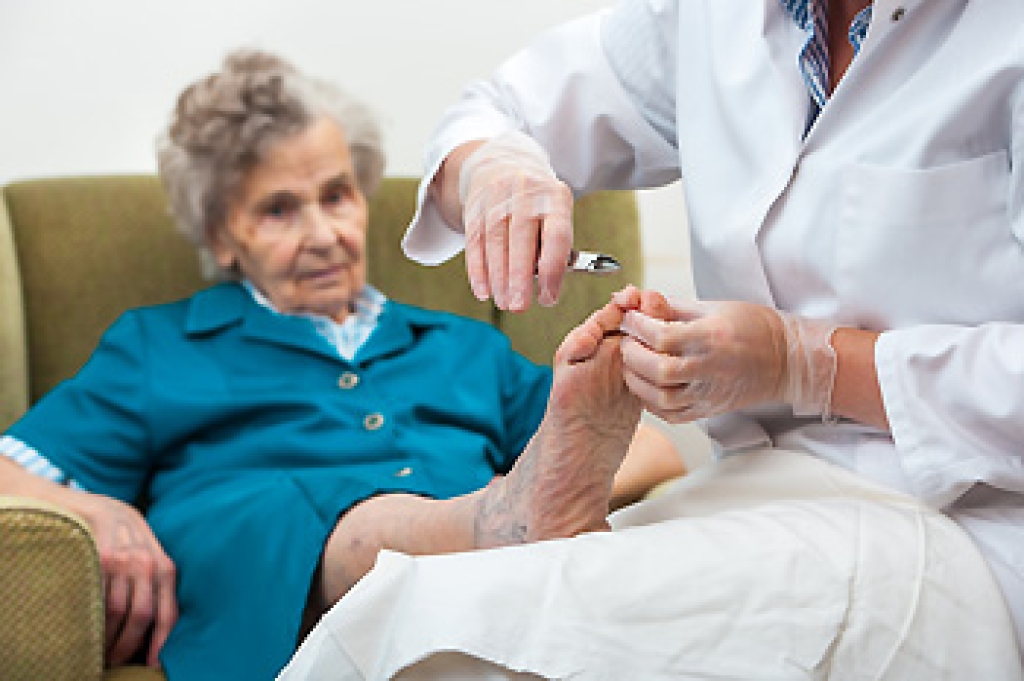
Proper foot care is essential for maintaining overall health in seniors. As people age, foot health can significantly impact mobility, balance, and quality of life. Regular foot care helps prevent common issues such as bunions, corns, calluses, and ingrown toenails, which can lead to pain and discomfort. Neglecting foot health can also contribute to more serious conditions like infections or falls, which can be particularly dangerous for elderly people. Seniors should focus on cleaning and moisturizing their feet regularly to prevent dryness and cracks. It is also important to trim toenails carefully to avoid ingrown nails and infections. Wearing well-fitting shoes that provide adequate support can prevent many foot problems. Additionally, paying attention to circulation and checking for signs of conditions like diabetes is vital. If you are a senior and have foot or ankle pain, it is suggested that you visit a podiatrist who can effectively treat various foot conditions, and guide you on additional foot care tips.
Proper foot care is something many older adults forget to consider. If you have any concerns about your feet and ankles, contact Dr. Michael T. Hames from Florence Foot Center. Our doctor can provide the care you need to keep you pain-free and on your feet.
The Elderly and Their Feet
As we age we start to notice many changes in our body, but the elder population may not notice them right away. Medical conditions may prevent the elderly to take notice of their foot health right away. Poor vision is a lead contributor to not taking action for the elderly.
Common Conditions
Susceptible Infections
Diabetes and poor circulation can cause general loss of sensitivity over the years, turning a simple cut into a serious issue.
If you have any questions, please feel free to contact our office located in Florence, Alabama . We offer the newest diagnostic and treatment technologies for all your foot care needs.
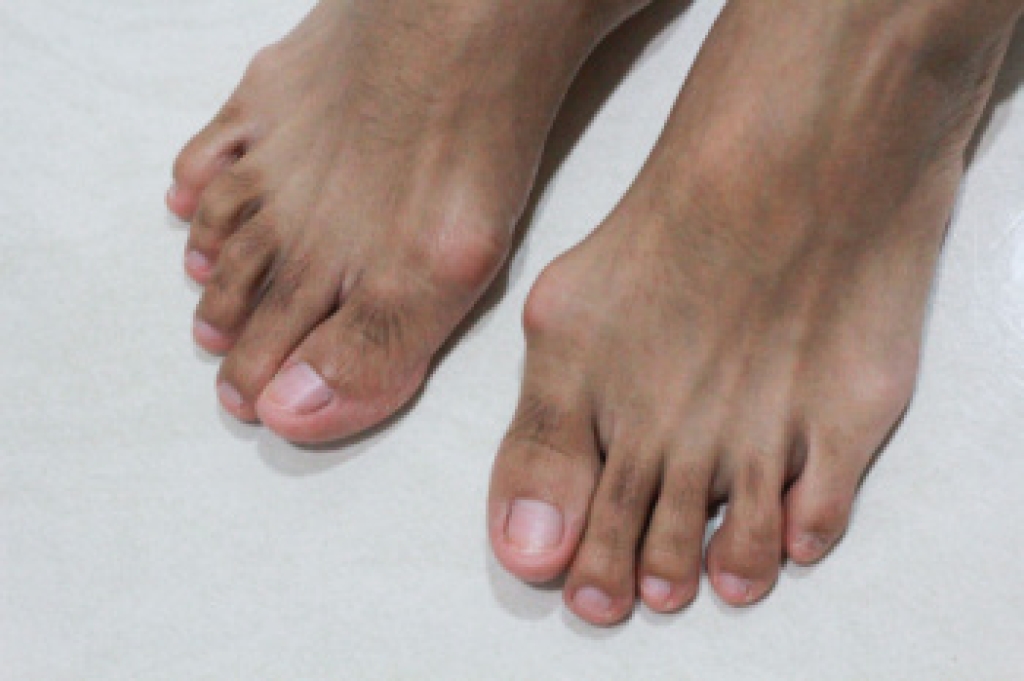
Bunions, also known as hallux valgus, are painful bony bumps that form at the base of the big toe when the tip of the toe angles inward toward the smaller toes. This condition is often caused by genetic factors, wearing tight or ill-fitting shoes, or prolonged pressure on the foot. Over time, this misalignment can lead to pain, swelling, and redness surrounding the affected area. Symptoms often worsen with walking or standing for long periods of time, and the big toe may become stiff or difficult to move. Treatment for bunions varies depending on the severity. Non-surgical options include wearing wider shoes, using bunion pads, or taking anti-inflammatory medications for pain relief. In more severe cases, surgery may be required to realign the bones and restore foot function. A podiatrist can assess the severity of your bunion, recommend appropriate treatments, and provide guidance on footwear or foot exercises. If you have developed a bunion, it is suggested that you schedule an appointment with a podiatrist for appropriate treatment solutions.
If you are suffering from bunion pain, contact Dr. Michael T. Hames of Florence Foot Center. Our doctor can provide the care you need to keep you pain-free and on your feet.
What Is a Bunion?
Bunions are painful bony bumps that usually develop on the inside of the foot at the joint of the big toe. As the deformity increases over time, it may become painful to walk and wear shoes. Women are more likely to exacerbate existing bunions since they often wear tight, narrow shoes that shift their toes together. Bunion pain can be relieved by wearing wider shoes with enough room for the toes.
Causes
Symptoms
In order to diagnose your bunion, your podiatrist may ask about your medical history, symptoms, and general health. Your doctor might also order an x-ray to take a closer look at your feet. Nonsurgical treatment options include orthotics, padding, icing, changes in footwear, and medication. If nonsurgical treatments don’t alleviate your bunion pain, surgery may be necessary.
If you have any questions, please feel free to contact our office located in Florence, Alabama . We offer the newest diagnostic and treatment technologies for all your foot care needs.
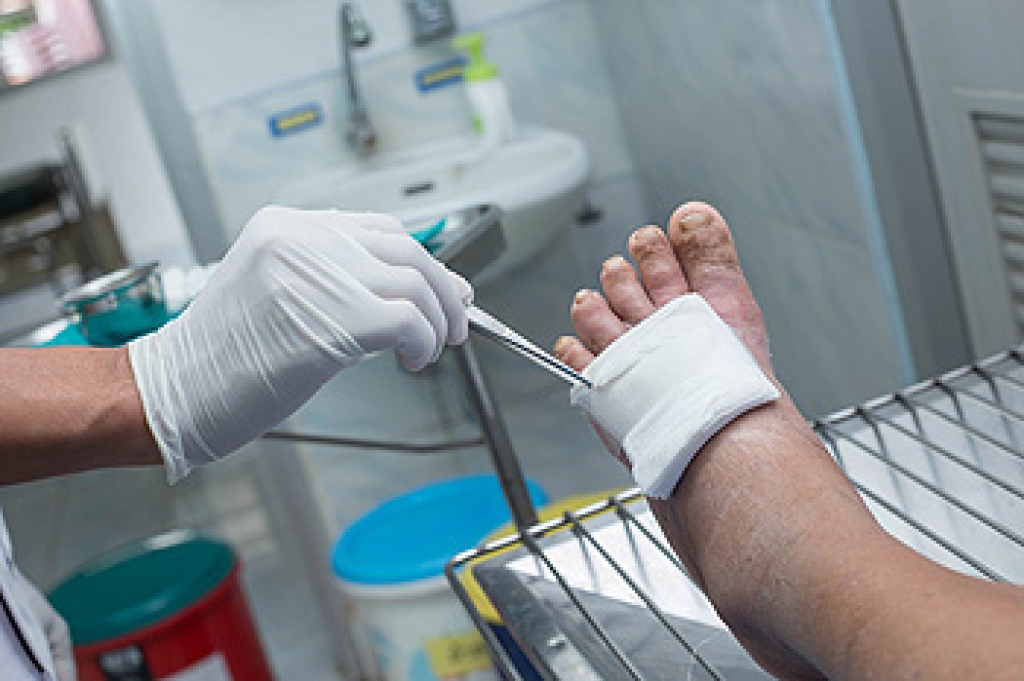
Diabetic foot ulcers can be a significant complication for people with diabetes due to reduced sensation and poor circulation in the feet. These ulcers often develop from minor injuries or pressure points that go unnoticed, as decreased nerve function can mask pain, and poor circulation inhibits healing. A podiatrist plays an essential role in diagnosing and managing foot ulcers to prevent serious infections. Treatment typically includes debridement, which involves removing dead or infected tissue to clean the wound and stimulate recovery. A podiatrist will also assess the depth and severity of the ulcer, ensuring that no foreign materials are present. Protective measures, such as specialized footwear or casts, may be recommended to reduce pressure on the affected area. Regular wound care, including cleaning and dressing changes, further supports recovery. Maintaining controlled blood sugar levels is vital, as it aids in faster healing and reduces the risk of infection. If you have foot ulcers as a result of diabetes, it is suggested that you schedule regular appointments with a podiatrist.
Diabetic foot care is important in preventing foot ailments such as ulcers. If you are suffering from diabetes or have any other concerns about your feet, contact Dr. Michael T. Hames from Florence Foot Center. Our doctor can provide the care you need to keep you pain-free and on your feet.
Diabetic Foot Care
Diabetes affects millions of people every year. The condition can damage blood vessels in many parts of the body, especially the feet. Because of this, taking care of your feet is essential if you have diabetes, and having a podiatrist help monitor your foot health is highly recommended.
The Importance of Caring for Your Feet
Patients with diabetes should have their doctor monitor their blood levels, as blood sugar levels play such a huge role in diabetic care. Monitoring these levels on a regular basis is highly advised.
It is always best to inform your healthcare professional of any concerns you may have regarding your feet, especially for diabetic patients. Early treatment and routine foot examinations are keys to maintaining proper health, especially because severe complications can arise if proper treatment is not applied.
If you have any questions, please feel free to contact our office located in Florence, Alabama . We offer the newest diagnostic and treatment technologies for all your foot care needs.
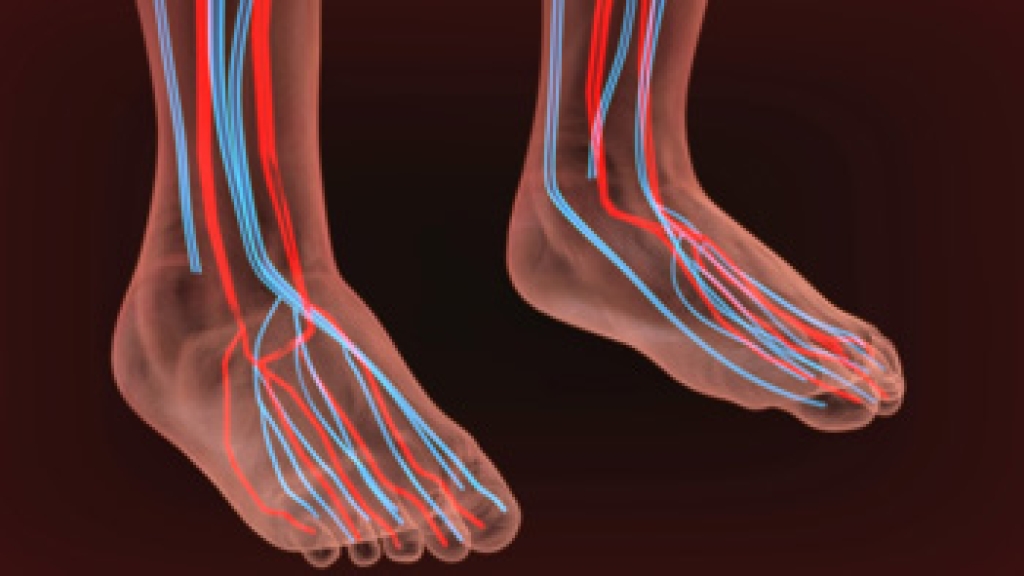
Poor circulation in the feet can lead to discomfort and long-term health issues if left untreated. Common signs of poor circulation include cold feet, numbness or tingling sensations, and swelling in the feet and ankles. People may also experience cramping or a feeling of heaviness, especially after standing or walking for extended periods. Discoloration, such as a bluish or pale appearance, is another warning sign. The causes of poor circulation in the feet often include conditions like diabetes, peripheral artery disease, or varicose veins, which affect blood flow. Additionally, smoking, obesity, and a sedentary lifestyle can contribute to poor circulation. Wearing tight footwear or sitting for long periods can also restrict blood flow to the feet. If these symptoms persist, it is suggested you seek treatment from a podiatrist to prevent further complications and improve circulation to the feet.
While poor circulation itself isn’t a condition; it is a symptom of another underlying health condition you may have. If you have any concerns with poor circulation in your feet contact Dr. Michael T. Hames of Florence Foot Center. Our doctor will treat your foot and ankle needs.
Poor Circulation in the Feet
Peripheral artery disease (PAD) can potentially lead to poor circulation in the lower extremities. PAD is a condition that causes the blood vessels and arteries to narrow. In a linked condition called atherosclerosis, the arteries stiffen up due to a buildup of plaque in the arteries and blood vessels. These two conditions can cause a decrease in the amount of blood that flows to your extremities, therefore resulting in pain.
Symptoms
Some of the most common symptoms of poor circulation are:
Treatment for poor circulation often depends on the underlying condition that causes it. Methods for treatment may include insulin for diabetes, special exercise programs, surgery for varicose veins, or compression socks for swollen legs.
As always, see a podiatrist as he or she will assist in finding a regimen that suits you. A podiatrist can also prescribe you any needed medication.
If you have any questions, please feel free to contact our office located in Florence, Alabama . We offer the newest diagnostic and treatment technologies for all your foot care needs.
Connect With Us
